
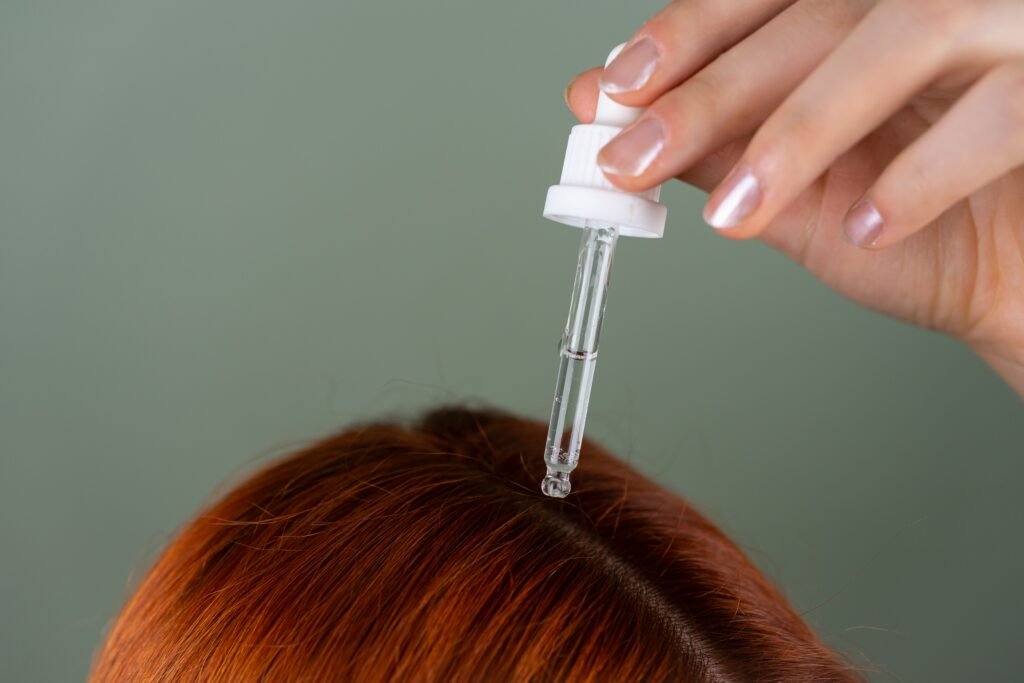
Hair injections are supportive treatments for hair thinning, not replacements for first‑line medical therapy. For androgenetic alopecia, evidence‑based treatments such as minoxidil and finasteride or dutasteride remain the foundation. Injectable therapies may enhance density and hair quality when used alongside them, but responses vary significantly between individuals.
Start with the Diagnosis
Hair loss has multiple causes, and choosing the right treatment depends entirely on identifying the correct diagnosis. The main categories include:- Androgenetic alopecia (pattern hair loss): gradual follicular miniaturization driven by genetic sensitivity to androgens.
- Telogen effluvium: diffuse shedding triggered by illness, stress, hormonal shifts, or nutritional deficiencies. It typically resolves once the underlying trigger is corrected.
- Alopecia areata: an autoimmune condition causing patchy hair loss.
- Scarring alopecias: permanent destruction of follicles due to inflammatory or autoimmune processes.
Comparing the Options
Mesotherapy
Micro‑injections of vitamins, minerals, amino acids, or hyaluronic acid into the superficial scalp. The concept is to support the scalp environment. Evidence remains limited and inconsistent, so mesotherapy is best considered a supportive, optional treatment rather than a primary therapy.Platelet‑Rich Plasma (PRP)
A small blood sample is centrifuged to concentrate platelets, then injected into the scalp. Platelets release growth factors (PDGF, VEGF, TGF‑β) that are thought to support follicular activity and potentially prolong the anagen (growth) phase.- Best studied for: androgenetic alopecia. Meta‑analyses show average improvements in density and hair thickness, though study protocols vary widely.
- Important note: PRP for hair loss is an off‑label use, and preparation methods are not standardized.
- Clinical insight: Patients with early‑stage miniaturization tend to respond better than those with advanced follicular loss.
Growth Factor and Exosome Products
These are concentrated signalling preparations. Some are derived from the patient’s own blood, while others are commercial formulations. Human evidence is still limited, and regulatory status differs by product and country. Only approved and permitted products should be used, with clear explanation of their status.Nanofat
A small sample of the patient’s fat is mechanically processed into a fluid containing regenerative cells and signaling molecules. It is not used for volume. Early studies in hair loss and scalp scarring are promising but small, so nanofat remains an emerging option. Use in premature greying is still experimental.Realistic Timelines
Hair growth cycles are slow, so visible improvement requires patience and multiple growth phases.Timeframe | Expected Changes |
|---|---|
Months 1–3 | Treatment sessions; shedding may stabilize |
Months 3–4 | Early signs: reduced shedding, appearance of fine hairs |
Months 6–12 | Best period to evaluate density and thickness |
- Typical PRP course: ~3 sessions, spaced ~4 weeks apart.
- Maintenance: every 6–12 months depending on response.
- Results vary: some patients show strong improvement, others modest.
Combination Plans
Optimal outcomes usually come from combining approaches:- Evidence‑based medical therapy: minoxidil, finasteride or dutasteride when appropriate.
- Injectable therapy: PRP or another option selected according to diagnosis.
- Correcting deficiencies: ferritin, vitamin D, B12, zinc, or thyroid abnormalities — only when tests confirm a problem.
Who Should Avoid These Treatments?
Injectable therapies may not be suitable for individuals with:- Platelet or bleeding disorders, or those on anticoagulants
- Active scalp infection or inflammation
- Active autoimmune or malignant conditions
- Pregnancy or breastfeeding
Safety and Side Effects
Most side effects are mild and temporary: pain, redness, swelling, and bruising. Rare risks include infection, headache, and allergic reaction. Nanofat involves a small fat harvest, which has its own short recovery period.Proper sterile technique and correct injection depth are essential for safety.FAQ
Is PRP painful? Usually mild to moderate discomfort. Numbing cream or local anesthesia can help.Book Your Assessment
Book a trichoscopy‑based hair assessment with Dr. Hagar Ahmed.